
Commercial Kitchen Rental vs. Building Your Own: Which Is Better For Your Food Startup?
Get ready to make the smartest move for your food startup. In minutes, you’ll learn the trade-offs, timelines, and true costs so you can launch faster, cook smarter, and serve those vibrant, crowd-pleasing flavors with confidence.
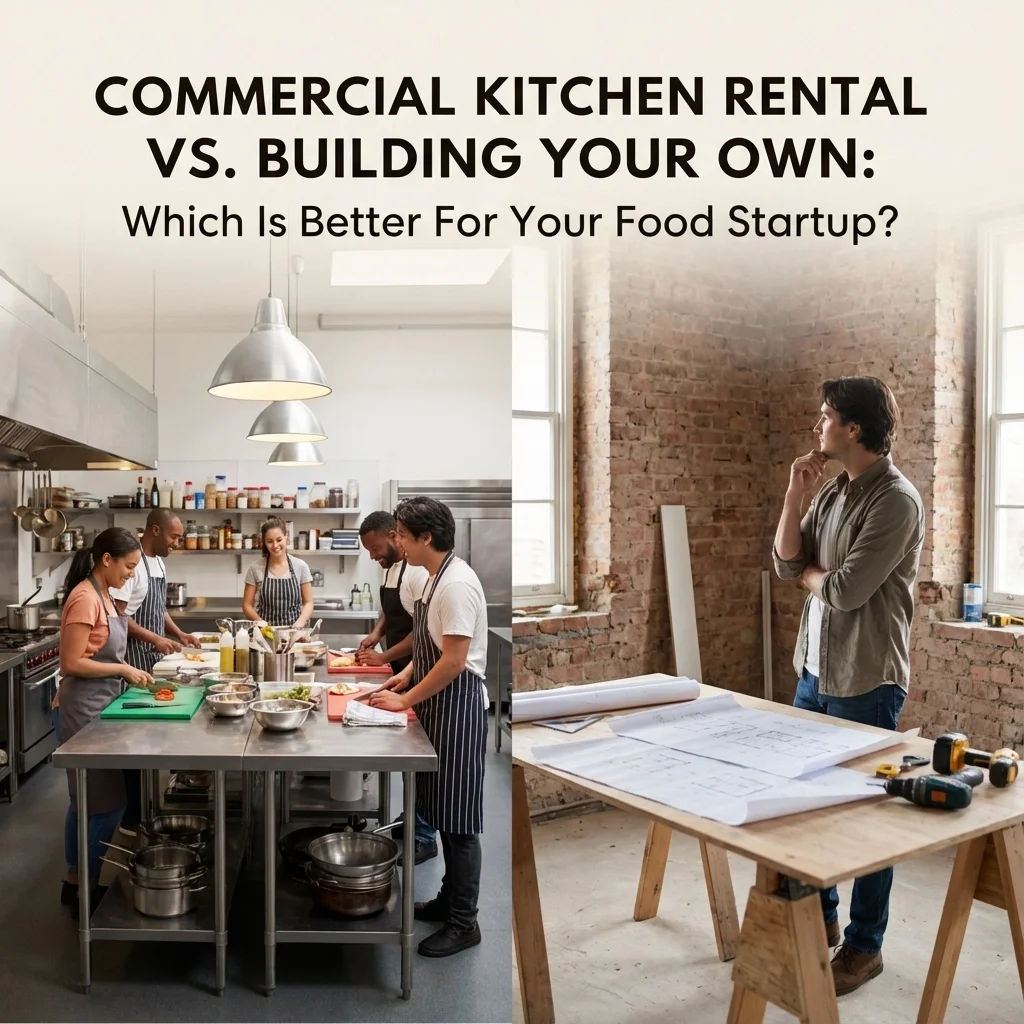
Picture this: you’ve crafted a cult-favorite recipe that makes friends go silent with that first sumptuous bite. Now it’s time to turn those vibrant flavors into a real business. Do you build a kitchen from scratch, or rent a certified commercial kitchen and get cooking right away?
Let’s break it down—clearly, quickly, and with your growth in mind.
Build Your Own Kitchen: Dream vs. Reality
Building your own kitchen feels empowering—total control, your layout, your brand energy. It can also be expensive, slow, and complex.
The Financial Reality
Expect a starting range of $250,000 to $500,000+ for a ground-up commercial kitchen.
In higher-cost markets like Hawaii, logistics and materials can nudge you toward the upper end or beyond.
You’re investing in:
Professional-grade equipment (ranges, ovens, refrigeration)
Specialized ventilation and fire suppression systems
Health-department-approved flooring and finishes
Permits, licenses, and regulatory compliance
Electrical and plumbing upgrades
Dry, cold, and frozen storage
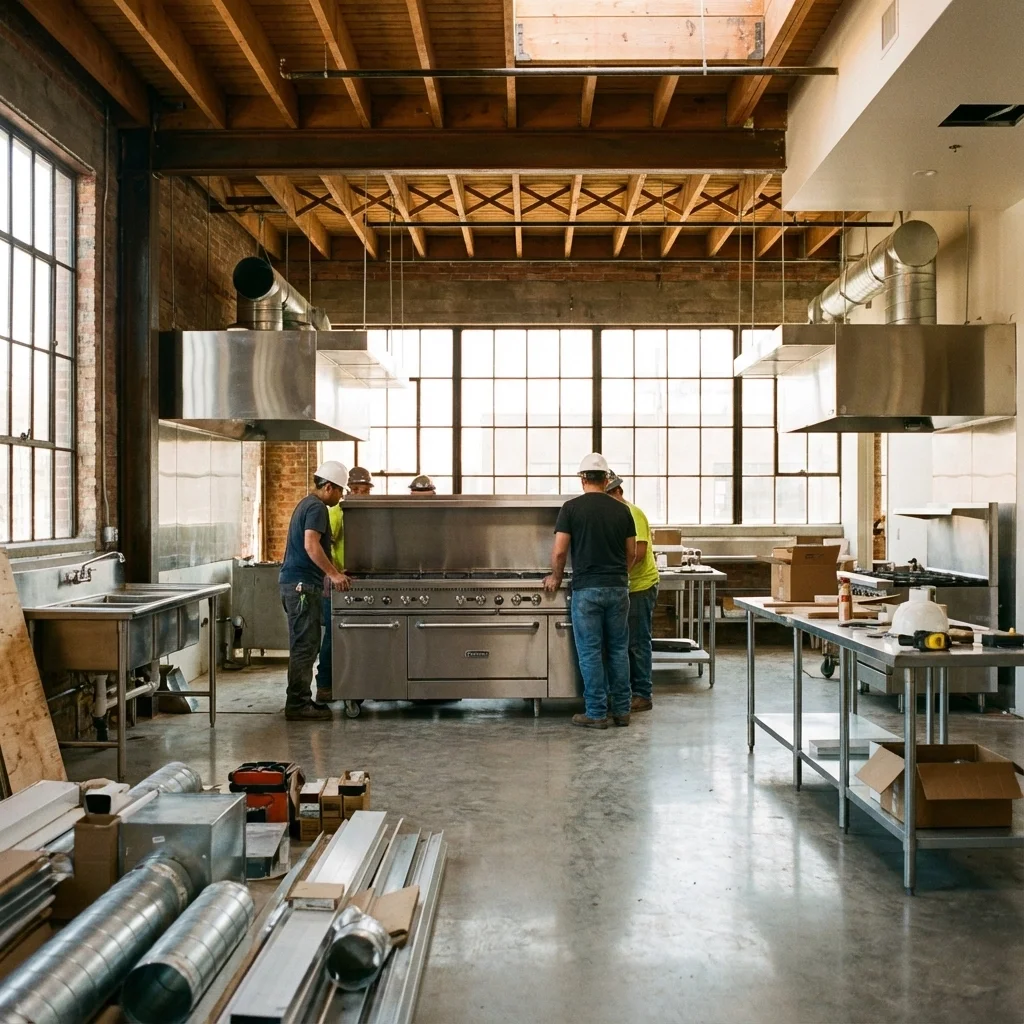
The Timeline Challenge
From design to opening day often spans 6–12 months—time you’re paying bills without revenue.
Typical timeline:
Design and planning: 2–4 months
Permitting and approvals: 1–3 months
Construction and buildout: 3–6 months
Equipment installation and testing: 2–4 weeks
Final inspections and approvals: 2–4 weeks
The Control Factor
The upside is complete control. You fine-tune workflow, choose every piece of equipment, and shape a space that reflects your brand—no sharing, no scheduling around others, fewer compromises.
Rent a Commercial Kitchen: Your Fast Track
This route has helped countless food entrepreneurs launch, learn, and scale without heavy upfront costs—or headaches.
The Smart Financial Play
Most teams can get started with $1,600 to $5,000, instead of hundreds of thousands.
Monthly costs typically range from $800 to $5,000, depending on size, time, and features.
Why it’s smart:
Preserve capital for branding, marketing, and inventory
Turn fixed costs into flexible, scalable expenses
Reduce risk while you refine or pivot your concept
Reinvest profits back into product and growth
Speed to Market: Your Competitive Edge
Skip buildouts and delays. Step into a fully equipped kitchen and start cooking in weeks, not months.
Speed means:
Faster payback and healthier cash flow
Early customer feedback to refine menus and methods
Ability to seize seasonal or event-driven demand
Lower carrying costs before revenue starts
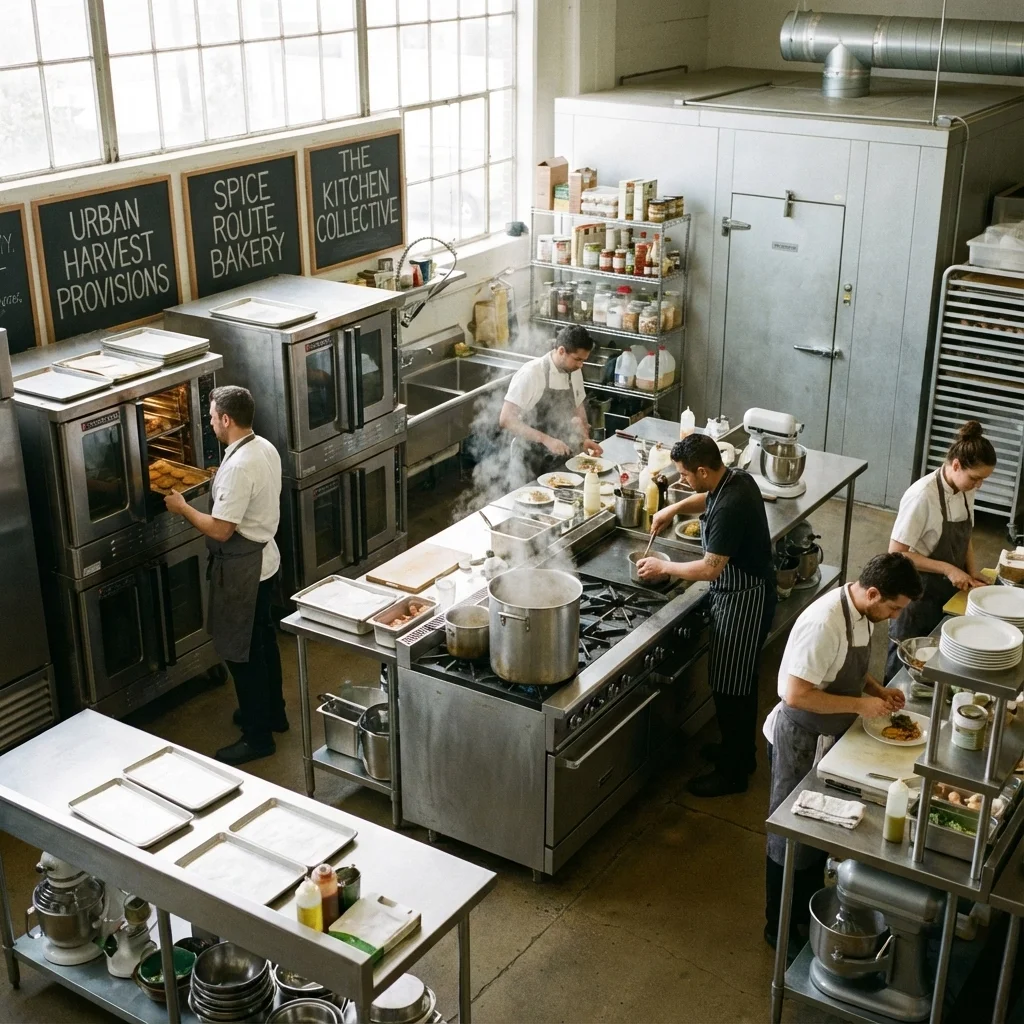
Built-In Flexibility and Support
Commercial kitchen facilities like Hana Kitchens offer more than space—they provide a launchpad and community.
You get:
Fully equipped, professionally maintained kitchens
Dry, cold, and frozen storage options
Guidance from people who understand food operations
Networking with fellow food entrepreneurs
Flexibility to scale hours, stations, and storage as you grow
Head-to-Head Comparison
Initial Investment
Build: $250,000–$500,000+
Rent: $30,000–$50,000
Monthly Costs
Build: Mortgage/lease + utilities + maintenance
Rent: Typically $2,000–$5,000+
Time to Launch
Build: 6–12 months
Rent: 2–6 weeks
Equipment Included
Build: You purchase and maintain everything
Rent: Fully equipped and maintained
Flexibility
Build: Fixed location and footprint
Rent: Easier to scale or relocate
Risk Level
Build: Higher (delays, overruns, compliance hurdles)
Rent: Lower (infrastructure ready)
Support
Build: DIY or hire consultants
Rent: On-site team and peer community
Best For
Build: Established brands with capital and long-term plans
Rent: Startups and concept testing
Make the Right Choice for Your Food Startup
Choose Renting If You’re:
New to market with limited startup capital
Testing a concept before major investment
Focused on launching quickly and learning fast
Planning to scale or pivot based on demand
Prioritizing product quality and customer growth over facilities management
Excited to join a community of like-minded makers
This path is especially smart for meal prep services, catering companies, specialty food producers, and first-time commercial ventures.
Consider Building If You:
Have strong capital reserves and a proven model
Need highly specialized configurations
Expect to operate in one location for 10+ years
Want to build equity in real estate
Have experience (or a team) to manage construction
Require complete control over every detail
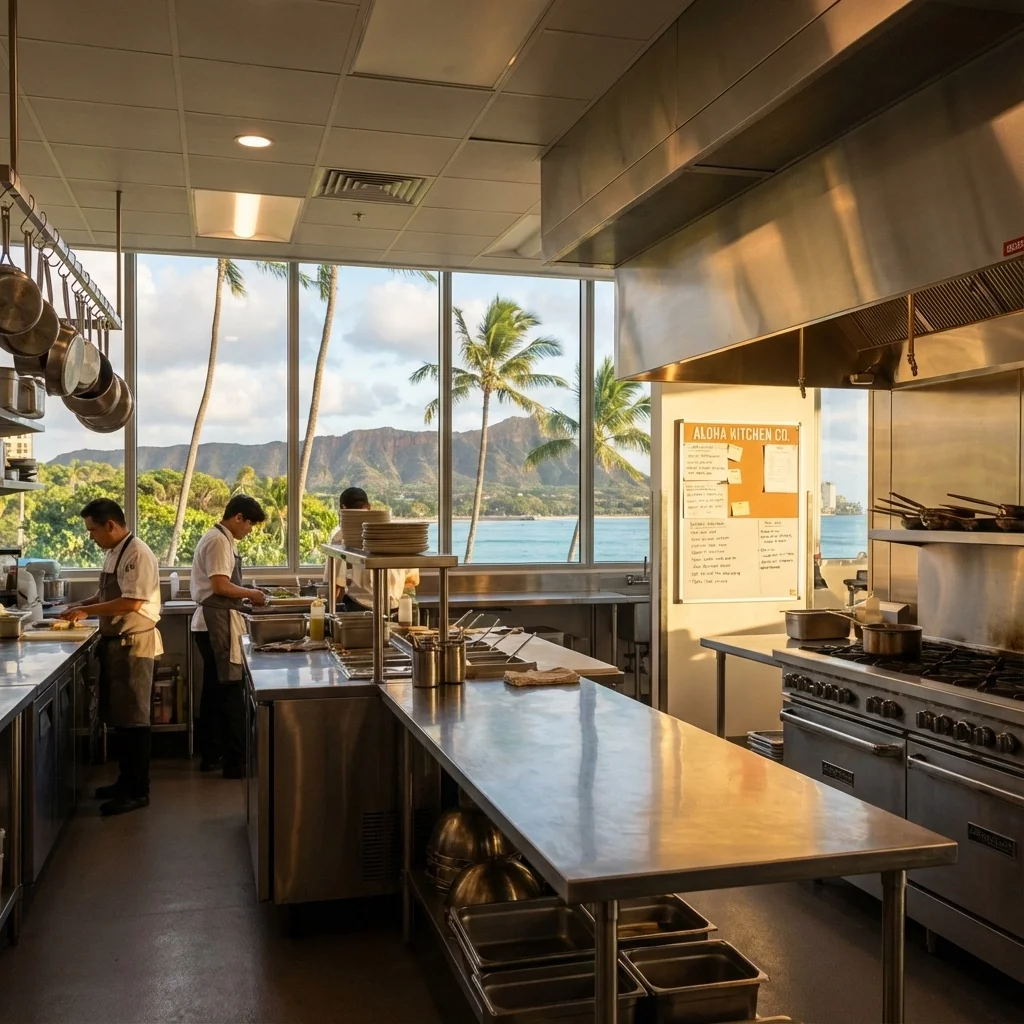
The Hawaii Factor: Why Location Matters
Hawaii adds unique variables: higher construction costs, complex permitting, and tight real estate. These challenges can extend timelines and inflate budgets.
That’s why rental is especially attractive here. Facilities like Hana Kitchens understand local regulations, market dynamics, and island logistics—so you get to production sooner and smarter.
Real-World Success Stories
Many beloved brands began in shared commercial kitchens. From artisan bakers to gourmet sauce makers, renting helped them test markets, refine recipes and processes, and grow loyal followings before investing big.
Treat rental not as a stopgap, but as a strategic springboard for sustainable scaling.
Your Next Steps
Leaning toward renting? Tour local commercial kitchens and look for:
Clean, modern, well-maintained equipment
Flexible scheduling that fits your production rhythm
Dry, cold, and frozen storage options
Supportive, responsive management
A thriving community of successful food businesses
The choice isn’t just about money; it’s about momentum. Choose the path that preserves your capital, speeds up your launch, and keeps you nimble as you learn what your customers crave.
Ready to see how fast you can go from prep to plate? Your culinary dream deserves a solid, scalable foundation so you can serve with confidence and grow with gusto.
